 30 min
Botox 1 area, women
from 700 RON
Botulinum toxin treatment for one facial area in women, to relax expression lines.
Procedure details arrow_forwardBotulinum toxin treatments for expression lines, bunny lines, gummy smile, bruxism and hyperhidrosis, given by experienced doctors.
Author: Revivera medical team · Last updated: 5 October 2026
Botulinum toxin treatments (commonly known as “botox”) are medical procedures that temporarily relax the muscles behind expression lines, and they can also be used for bruxism or excessive sweating. At Revivera Clinic, the treatment is carried out by doctors experienced in aesthetic medicine, after a free medical consultation. On this page you will find how botulinum toxin works, which areas it is used for, how long the effect lasts, what the studies say and when it is not given.
Botulinum toxin type A is a substance that temporarily blocks the signal from nerve to muscle (it blocks the release of acetylcholine at the neuromuscular junction) [1]. The treated muscle relaxes, and the lines that appear when we frown, raise our eyebrows or smile are softened. The effect is temporary and reversible: the muscle’s activity gradually returns [1] [2].
The treatment is especially suited to lines caused by excessive contraction of the facial muscles [2]. For volume loss or skin quality, other treatments are used, such as hyaluronic acid or collagen biostimulators.
| Treatment | For |
|---|---|
| Botox 1 area women / men | one area: forehead, frown lines or the eye area |
| Botox 2 areas women / men | two facial areas |
| Botox 3 areas women / men | the upper third of the face: forehead, frown lines, eye area |
| Bunny lines | lines on the upper part of the nose |
| Gummy smile | gummy smile |
| Face slimming / bruxism women / men | bruxism and contouring the lower face |
| Hyperhidrosis | excessive sweating |
In men, the facial muscles and features differ from women’s, and the treatment is adapted accordingly, for a natural result that keeps a masculine look [5] [6]. That is why, at Revivera, treatments for men are separate from those for women.
Hyperhidrosis is sweating beyond what the body needs to regulate its temperature, which can affect comfort and daily life. Botulinum toxin temporarily blocks the nerve signal that stimulates the sweat glands in the treated area [1].
Randomised clinical trials show a significant reduction in underarm sweating and improved quality of life compared with placebo [12]. The effect usually lasts a few months and can become longer after repeated treatments [13]. At the consultation, the doctor assesses the type of hyperhidrosis and which areas can be treated.
Bruxism is involuntary clenching or grinding of the teeth, often during sleep. By relaxing the masseter muscles, botulinum toxin can reduce bite force and the related pain [10]; research in this area is ongoing [11]. Relaxing the masseters can also slim the lower contour of the face.
The session takes around 30 minutes, including the consultation.
The effect starts to show after a few days, and the full result usually appears in about two weeks. How long the effect lasts is individual and depends on several factors (metabolism, the injected area, the muscles, lifestyle) [2]. In hyperhidrosis, the effect usually lasts longer [13].
Given by an experienced doctor, botulinum toxin has a good safety profile: in studies on frown lines, the rate of side effects did not differ significantly from placebo [3]. The usual reactions are local and temporary: slight tenderness, redness or bruising at the injection site.
Less often, eyelid ptosis (temporary drooping of the eyelid or eyebrow) may occur, which resolves on its own as the effect wears off [14] [15]. The risk is reduced by knowledge of anatomy and by the doctor’s experience [15]. Antibodies against the toxin are rare and mainly linked to very frequent treatments [16]; that is why the doctor sets the interval between sessions.
Botulinum toxin treatment is not given:
This is why a medical consultation is required before any procedure. Tell the doctor at the consultation which medicines you take, especially anticoagulants or certain antibiotics, and whether you have had botulinum toxin treatments before. The doctor assesses each case.
Botulinum toxin relaxes the muscles that cause expression lines. Hyaluronic acid restores volume and contours. Biostimulators and mesotherapy improve skin firmness and quality. The treatments are complementary and can be combined, on the doctor’s recommendation.
“Botox” is the common name for treatments with botulinum toxin type A, which temporarily relax the muscles behind expression lines.
For expression lines, the effect is individual and depends on several factors (metabolism, the injected area, the muscles, lifestyle). The doctor recommends the right time for your next session.
The effect starts after a few days, and the full result usually appears in about two weeks.
The doctor adapts the treatment to your anatomy, to soften the lines while keeping your facial expressiveness.
A very fine needle is used, and the sensation is usually well tolerated.
The areas are the forehead, the space between the eyebrows and the area around the eyes. You can treat one, two or all three, as the doctor recommends.
Yes. Clinical trials show a significant reduction in underarm sweating after botulinum toxin treatment, with an effect that lasts a few months.
It is usually recommended not to massage the treated area, not to lie down and to avoid intense exercise, saunas and hot baths for the first few hours after the treatment. The doctor will give you the necessary advice.
The price depends on the treatment: from 700 lei (one area, bunny lines or gummy smile) to 2,000 lei (hyperhidrosis). Each treatment’s price is shown on its page, and the doctor recommends the right option at the consultation.
Yes, an appointment is required. Aesthetic treatments have a different schedule from the clinic’s opening hours, so please book in advance.
30 minfrom 700 RON
Botulinum toxin treatment for one facial area in women, to relax expression lines.
Procedure details arrow_forward30 minfrom 1100 RON
Botulinum toxin treatment for two facial areas in women, for a balanced, natural look.
Procedure details arrow_forward30 minfrom 1400 RON
A complete botulinum toxin treatment for three facial areas in women, for balanced facial rejuvenation.
Procedure details arrow_forward 30 min
from 900 RON
Botulinum toxin treatment for one facial area in men, dosed for male facial musculature.
Procedure details arrow_forward30 minfrom 1300 RON
Botulinum toxin treatment for two facial areas in men, for a fresh, natural look.
Procedure details arrow_forward30 minfrom 1600 RON
A complete botulinum toxin treatment for three facial areas in men.
Procedure details arrow_forward 30 min
from 700 RON
Botulinum toxin treatment for the fine lines on the upper part of the nose (bunny lines).
Procedure details arrow_forward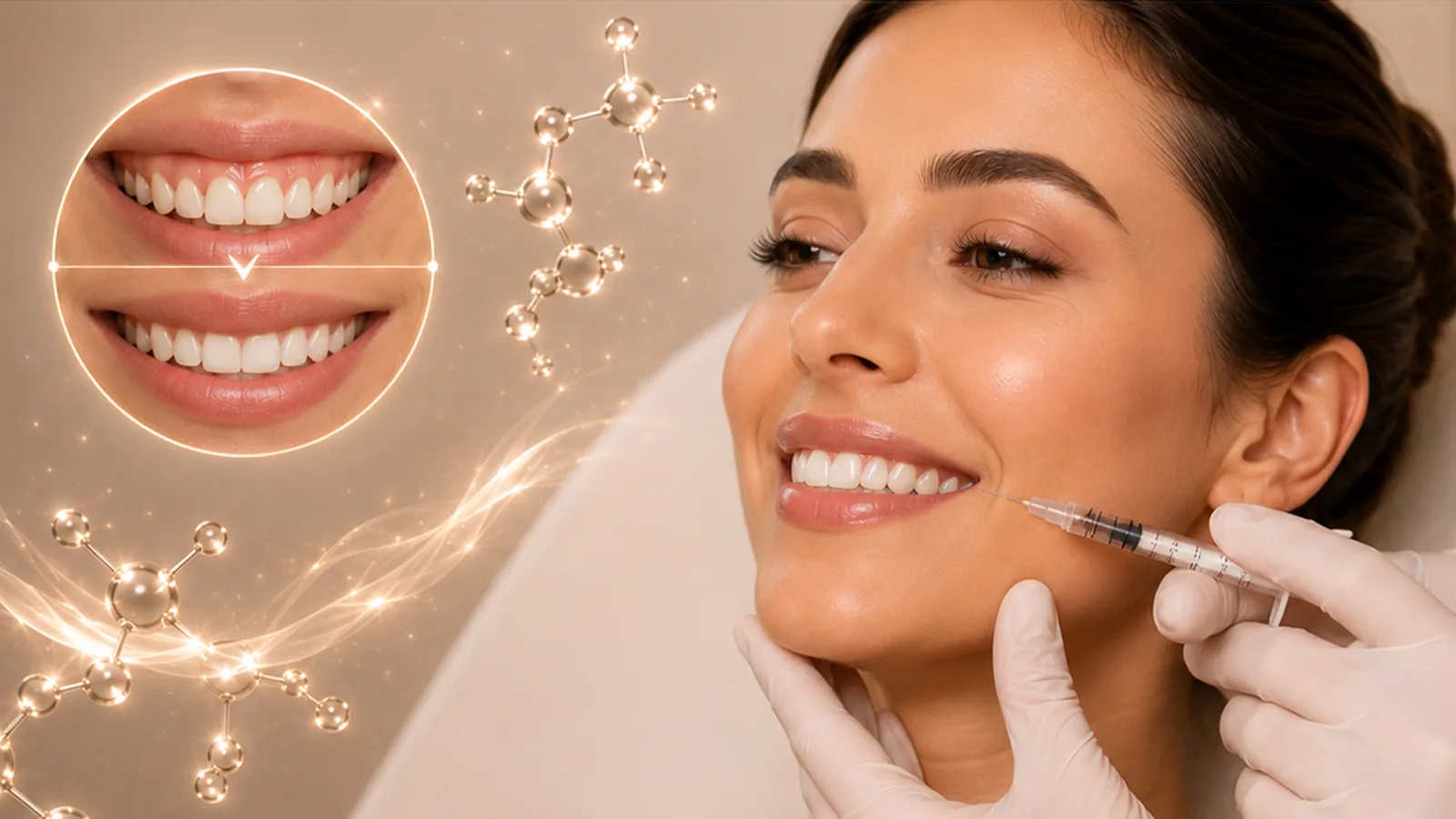 30 min
from 700 RON
Correcting a gummy smile with botulinum toxin, for a balanced smile.
Procedure details arrow_forward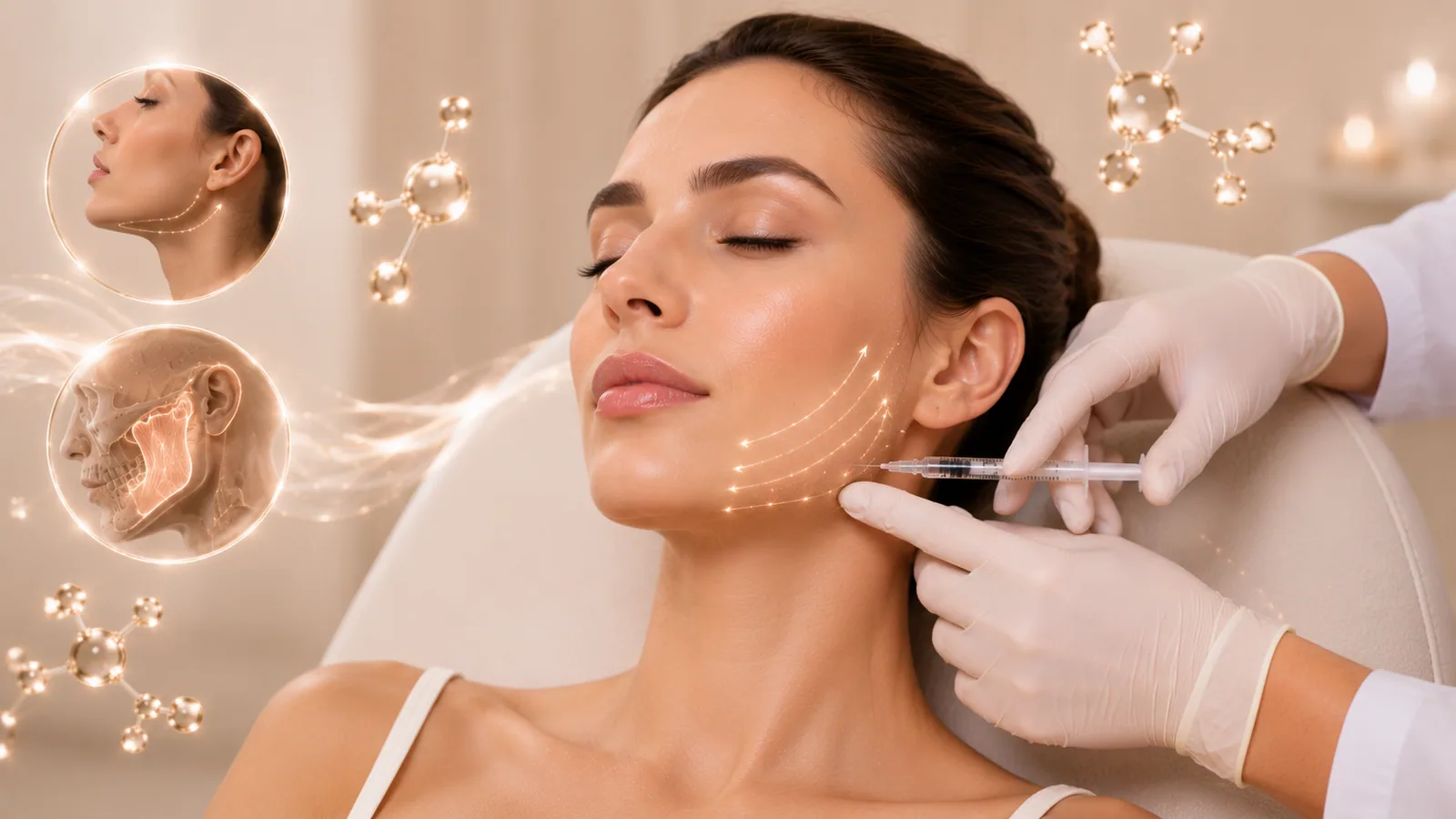 30 min
from 1500 RON
Botulinum toxin treatment to contour the jawline and ease bruxism in women.
Procedure details arrow_forward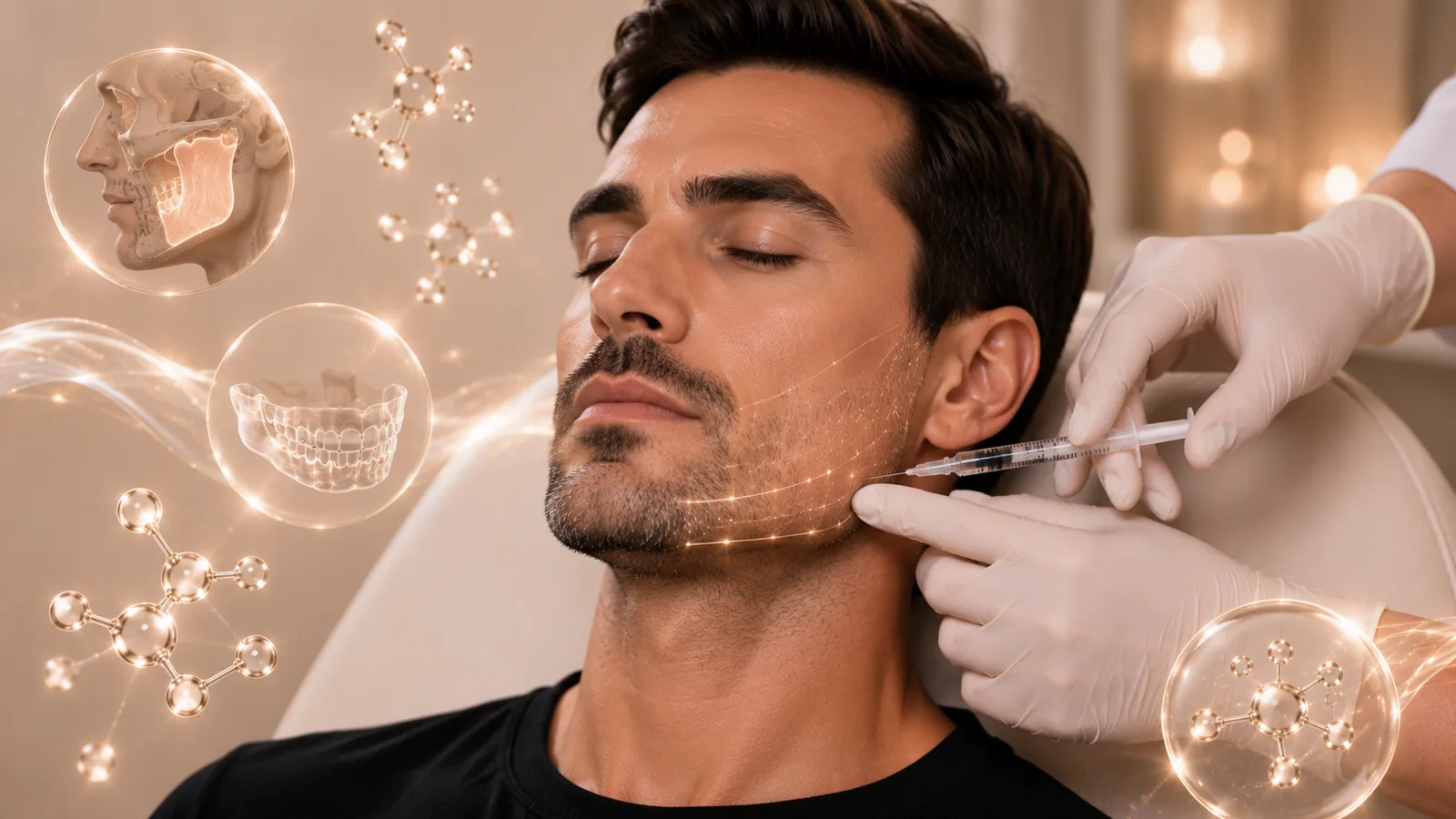 30 min
from 1700 RON
Botulinum toxin treatment for facial contouring and easing bruxism in men.
Procedure details arrow_forward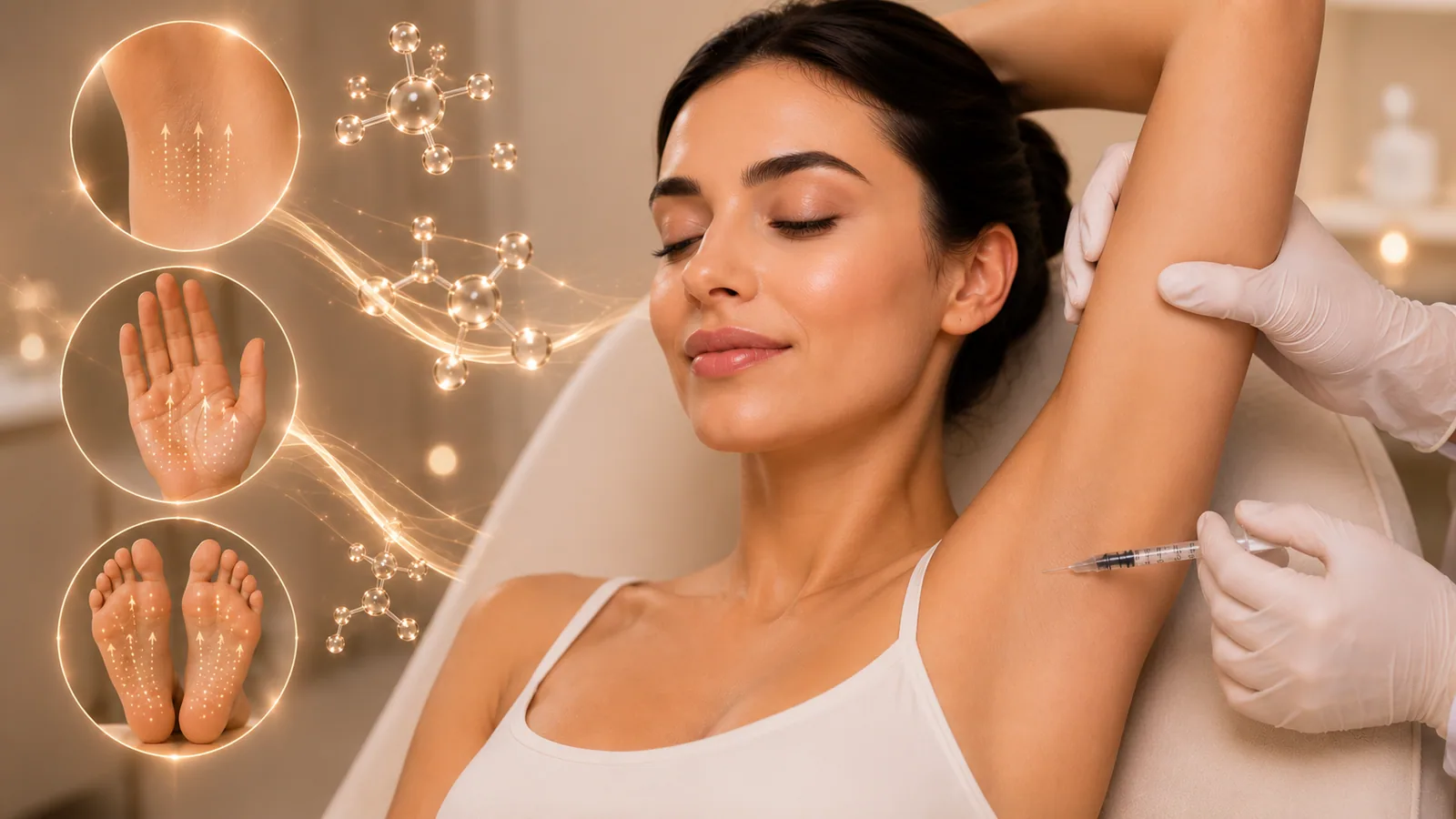 30 min
from 2000 RON
Botulinum toxin treatment for excessive sweating (underarms, palms, soles).
Procedure details arrow_forward