 50 min
Restylane Kiss hyaluronic acid filler
from 1200 RON
A Restylane Kiss hyaluronic acid filler for lip volume and definition.
Procedure details arrow_forwardPremium hyaluronic acid fillers for the lips, lines, cheekbones and facial contour, given by experienced doctors after a free medical consultation.
Author: Revivera medical team · Last updated: 5 October 2026
Hyaluronic acid treatments at Revivera Clinic provide volume support, contouring and tissue hydration using premium fillers, given by doctors experienced in aesthetic medicine. The procedure is carried out after a free medical consultation. On this page you will find information about injectable hyaluronic acid: which areas it is used for, which fillers we use and how they differ, how long the effect lasts, what the studies say and when it is not given.
Hyaluronic acid is a substance found naturally in the skin, where it helps keep tissues hydrated and supported. Hyaluronic acid fillers are gels in which the hyaluronic acid is “bound” (cross-linked), which makes it stay longer in the tissue and provide volume and support [1].
Fillers are not all the same: the firmness and cohesion of the gel determine the area it suits. More fluid gels are used for the lips and fine lines, and higher-density gels for the cheekbones, chin and jawline [1]. That is why the doctor chooses the product according to the area and the result you want.
The choice of product and injection technique is made individually by the doctor, after an anatomical and functional assessment of the face.
| Filler | Recommended for |
|---|---|
| Restylane Kiss | lip volume and definition |
| Teosyal Kiss | lip augmentation and hydration |
| RHA Kiss | natural-looking lips that follow movement |
| Restylane Defyne | deep lines and nasolabial folds |
| Teosyal RHA 3 | lines, cheekbones and facial contour |
| Teosyal RHA 4 | volumising and redefining the jawline |
| Restylane Wise | sculpting the contours: cheekbones, jawline |
| Voluma | restoring volume in the cheekbones and contours |
The RHA range is made with a technology that preserves long hyaluronic acid chains, so the gel follows the natural movements of the face [13]. Voluma is a volumising gel for the cheekbone area, studied for correcting midface volume loss [4].
Hyaluronic acid is gradually and naturally reabsorbed by the body through enzyme activity [5]. How long the result lasts depends on the type of gel and its degree of cross-linking, the injected area, and also on your individual metabolism, lifestyle and the blood supply of the area:
The exact estimate is discussed after your individual medical consultation, and maintaining the result requires periodic maintenance sessions.
The session takes around 50 minutes, including the consultation and preparation.
Most reactions are mild and temporary: swelling, bruising, tenderness or small lumps at the injection site, which usually settle within a few days to a few weeks [3] [6]. On the lips, swelling and bruising are common in the first few days [6].
Serious complications are rare: blockage of a blood vessel (vascular occlusion) is very rare [10], and damage to vision is exceptional [9]. The risk is reduced by knowledge of anatomy and by the doctor’s experience, and recognising and treating a complication quickly is essential [2] [11].
Hyaluronic acid treatment is not given:
Tell the doctor at the consultation if you take anticoagulants or antiplatelet medicines, if you have an autoimmune disease [8] or, for lip treatment, if you have had cold sores. The doctor assesses each case.
One advantage of hyaluronic acid fillers is that they can be dissolved, if needed, with an enzyme called hyaluronidase. It is used to correct an unwanted result, an excess of product or lumps, and to treat complications [11] [12]. Read more about dissolving hyaluronic acid.
Hyaluronic acid restores volume and contours, with a visible effect straight away. Botulinum toxin relaxes the muscles behind expression lines (forehead, between the eyebrows, around the eyes). Biostimulators, such as Sculptra, gradually stimulate your own collagen production. The treatments can be combined, on the doctor’s recommendation.
It depends on the type of gel, the area and your metabolism: around 9–12 months for the lips and 12–18 months for the cheekbones and jawline. The exact estimate is discussed at the consultation, and maintaining the result requires periodic maintenance sessions.
A local anaesthetic can be applied, and many fillers contain an anaesthetic, for comfort. The sensation is usually well tolerated.
Swelling and any bruising are common in the first few days and usually settle within a week. The final result shows once the swelling has gone down.
The doctor chooses the product and the amount according to the anatomy of your face and the result you want, for a balanced look.
Yes. Hyaluronic acid fillers can be dissolved with hyaluronidase if the result is not what you wanted or if a complication occurs.
Given by an experienced doctor after a consultation, it has a good safety profile. Reactions are generally mild and temporary, and serious complications are rare.
It is usually recommended to avoid intense exercise, saunas and massaging the area for the first few days. The doctor gives you advice for the treated area.
Restylane Kiss, Teosyal Kiss and RHA Kiss differ in the texture and firmness of the gel and in how they follow lip movement. The doctor recommends the right one at the consultation.
The price depends on the filler and is charged per ml: between 1,100 and 1,300 lei/ml, depending on the product. Each filler’s price is shown on its page, and the amount needed is decided at the consultation.
Yes, an appointment is required. Aesthetic treatments have a different schedule from the clinic’s opening hours, so please book in advance.
50 minfrom 1200 RON
A Restylane Kiss hyaluronic acid filler for lip volume and definition.
Procedure details arrow_forward 50 min
from 1200 RON
A Teosyal Kiss hyaluronic acid filler for lip augmentation and hydration.
Procedure details arrow_forward 50 min
from 1100 RON
A dynamic RHA Kiss hyaluronic acid filler for natural, expressive lips.
Procedure details arrow_forward 50 min
from 1200 RON
A Restylane Defyne hyaluronic acid filler for correcting deep lines while keeping your expressiveness.
Procedure details arrow_forward 50 min
from 1200 RON
A dynamic Teosyal RHA 3 hyaluronic acid filler for lines, cheekbones and defining the facial contour.
Procedure details arrow_forward 50 min
from 1250 RON
A dynamic Teosyal RHA 4 hyaluronic acid filler for volumising and redefining the jawline.
Procedure details arrow_forward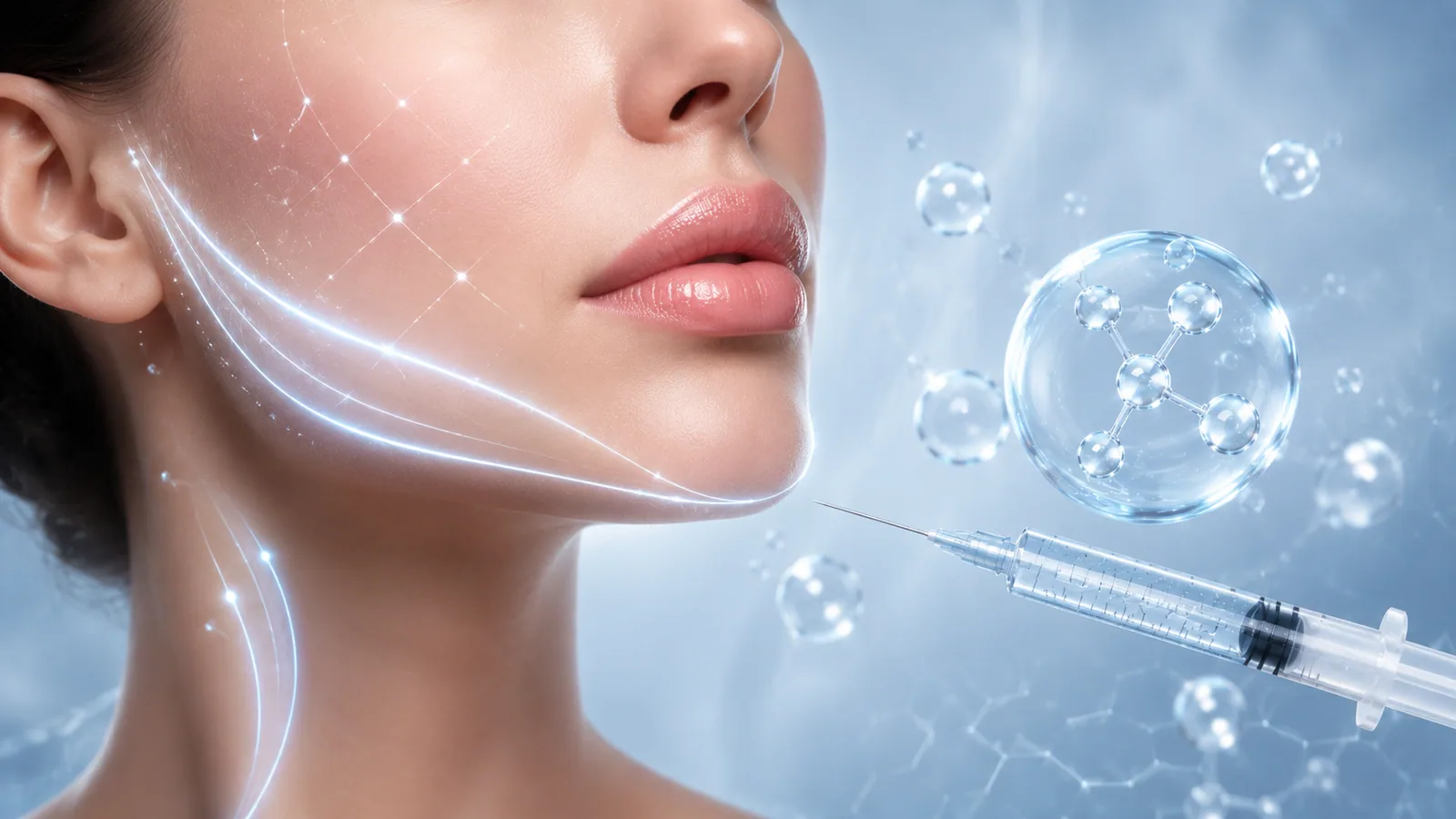 50 min
from 1150 RON
A Restylane Wise hyaluronic acid filler for firm volumising and sculpting the facial contours.
Procedure details arrow_forward 50 min
from 1300 RON
A premium Voluma hyaluronic acid filler for volumising and redefining the facial contours.
Procedure details arrow_forward 45 min
from 600 RON
Dissolving hyaluronic acid filler by injecting hyaluronidase, to correct unwanted results.
Procedure details arrow_forward